Lúa and Noé are tasked with finding “natural actors” for a science-fiction film. They thus travel through remote regions of Mexico to organize castings among sugar-cane workers, rural communities, farmers, and Mennonite schools. Noé sinks into a crisis, while Lúa is forced to consider her own perspective, her position of power, and the delicate balance between observing and invading the lives of others.
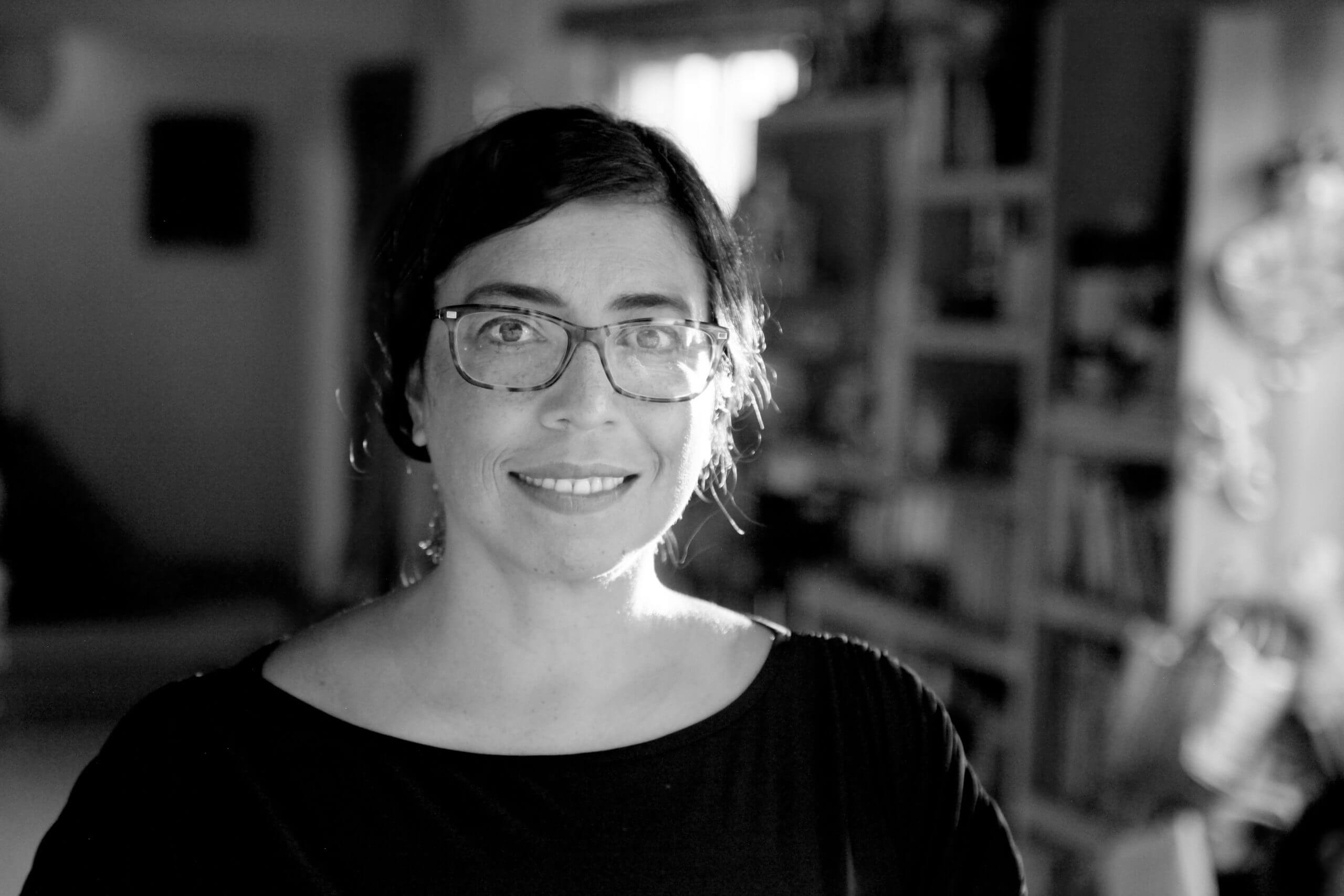
Born in Salvador and living in Mexico, Tatiana Huezo graduated from the Centro de Capacitación Cinematográfica (CCC) film school and holds a Master’s in Documentary Filmmaking from Barcelona’s Pompeu Fabra University. After her first attempts—short films such as Arido (1992), Familia (2004) or Sueño (2005)—she gained international renown with her first feature-length film, El lugar más pequeño (2011), presented as an international premiere at Visions du Réel in 2011 where it won the Grand Prix for the Best Feature-length Film.
Building on this success, the film was programmed by more than 80 festivals around the world. Then, following the short film Ausencias (2015), she directed Tempestad (2016), which was presented as a world premiere at the Berlinale (Forum section) where it won four Ariel awards—presented by the Mexican Academy of Cinematographic Arts and Sciences.
Over recent years, she has taught film in various international academic contexts and also written the book El Viaje, rutas y caminos andados para llegar a otro planeta, in which eight documentary filmmakers describe their creative processes. In 2021, she is unveiling her first fictional film, Noche de fuego.